How to keep bees away from hummingbird feeders
Hummingbirds bring delight and color to our backyards, but that delight can quickly fade when bees and wasps take over the feeder. While these buzzing insects play an important role in pollination, they can become aggressive competitors, often driving hummingbirds away from their nectar.
The good news is, there are safe and effective ways to keep bees at bay without harming them or your hummingbirds. In this guide, we’ll walk you through 8 simple tips to keep bees away from hummingbird feeders.
Method 1: Use Bee Proof Hummingbird Feeder
Difficulty: ⭐️
The simplest and most initial option is to select a hummingbird feeder that keeps bees and wasps away. Bee Proof Hummingbird Feeders are designed in such a way that they feature in-built bee guards that ensure that insects are unable to reach the nectar, but hummingbirds feed readily.
Bee Proof Hummingbird Feeder Select Tips:
- Red color: Hummingbirds are naturally drawn to red, while bees are less attracted to it.
- Avoid feeders with yellow or white: these colors are more appealing to bees.
- Use saucer-shaped feeders: These feeders have shallow nectar reservoirs that make it difficult for bees and wasps to reach the nectar.
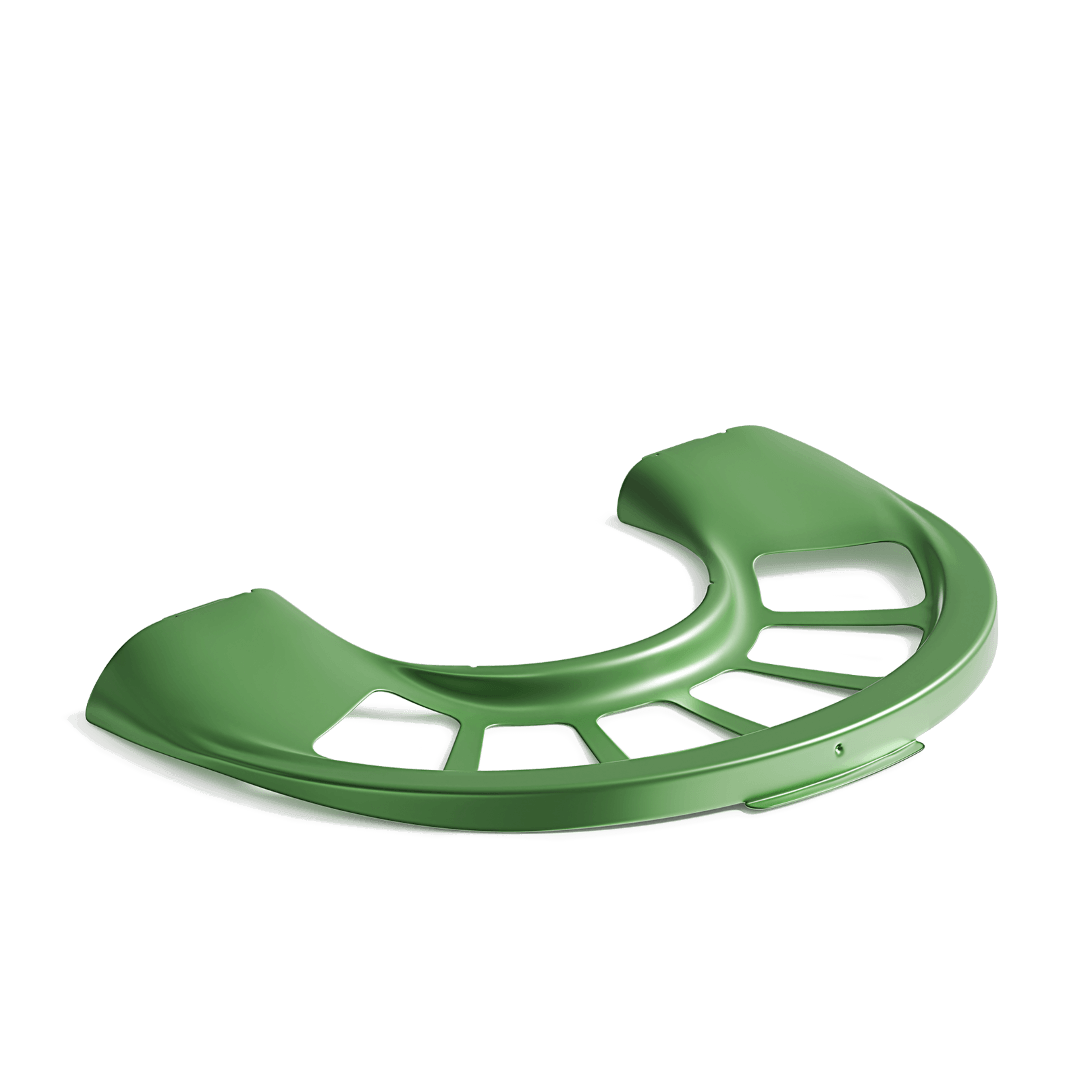
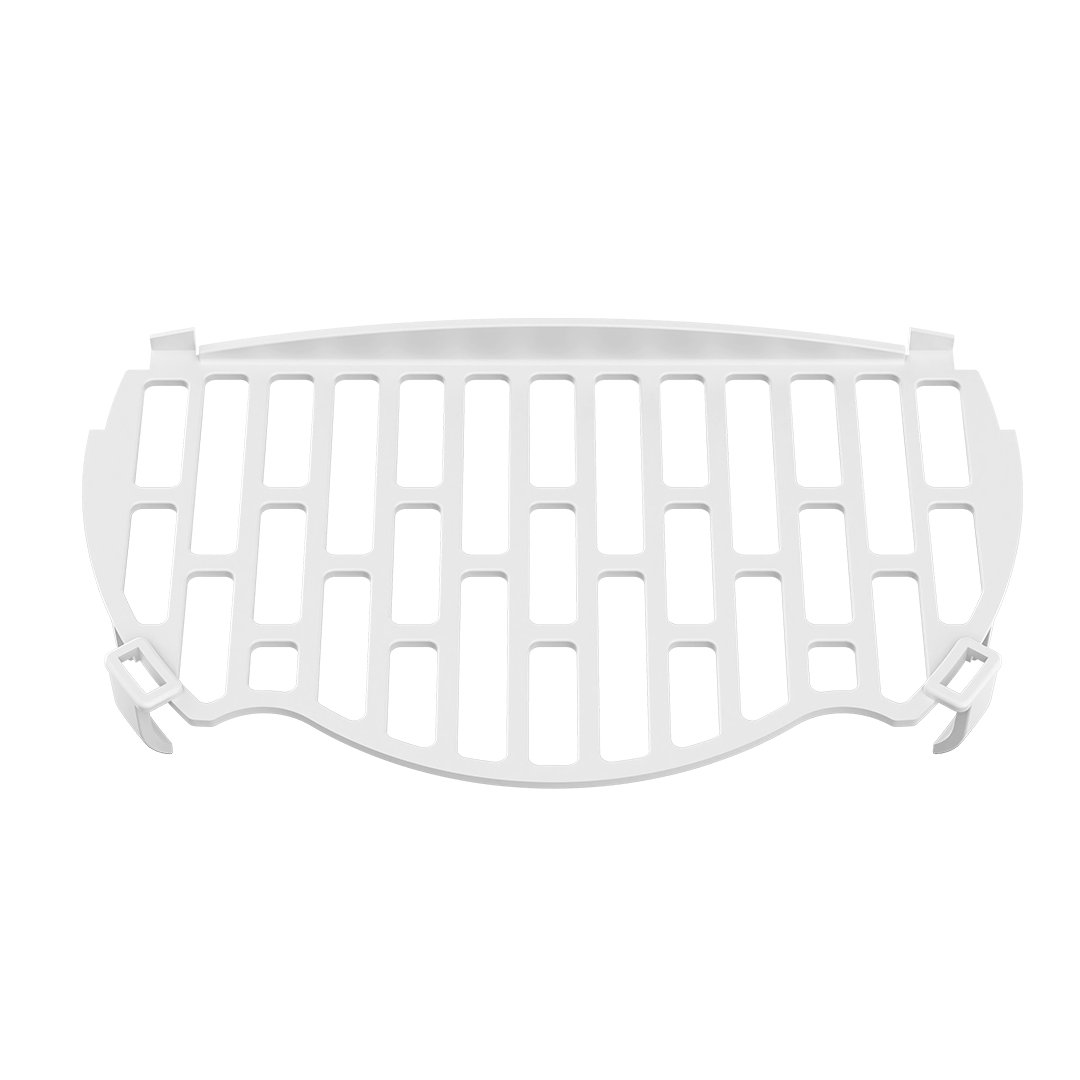
- Install nectar guards: Nectar guards are small plastic barriers or mesh screens that fit over the feeding ports. They help block insects while still allowing hummingbirds to feed comfortably.
- Choose leak-proof feeders: Bees are drawn to any spilled nectar around the feeder.
This basic upgrade is the one you may require if you have only started to notice hummingbirds in your garden.
Method 2: Regularly Move the Hummingbird Feeder
Difficulty: ⭐️
Bees are great at finding food, but they dislike changes. Do you keep your bird feeder in one place? Then, change its location regularly. 5-10 shifts are enough per month to disorient bees and decrease their traffic.
Why it Works:
- Bees are very dependent on scent trails and landmarks.
- As hummingbirds are cleverer and more persistent, they will soon find a new site.
This method is most effective when used in combination with other strategies, such as bee guards or shady sites.
Method 3: Put Hummingbird Feeder in the Shade
Difficulty: ⭐️
Wasps and bees love sunny locations. But, hummingbirds can locate feeders even in the shade. Sunny places cause nectar to ferment more quickly and may increase the number of insects. So, the best place is a shaded or partially shaded area.

Instructions:
- Place your bird feeder under a tree or a roofed porch.
- Keep it out of direct sun, especially at the hottest time of the day.
It will make your feeder less appealing to bees because you want to minimize their visibility and warmth.
Method 4: Keep the Feeder Clean and Drip-Free
Difficulty: ⭐️⭐️
Sticky spills and drips attract bees, ants, and other nuisances like magnets. A well-cleaned feeder will keep insects away.
Cleaning Tips:
- Clean the hummingbird feeder with a wet cloth every day.
- Clean it with hot water after 2 -3 days.
- Don’t use strong chemicals that are harmful to birds.

Feeder cleaning plays a crucial role in bee management and the well-being of hummingbirds.
Method 5: Provide a Water Source for Bees
Difficulty: ⭐️
Make a bee/creature watering station with shallow vessels and fresh plain water with rocks or stones for them to land on. Avoid marbles and glass stones- as those are like tiny magnifying glasses and really heat up the water quicker if in the sun. Marbles and glass stones also get slippery when wet. Rocks and natural stones have texture that is safer. Refill and refresh this daily please.
Never feed bees bowls of sugar water. These things are harmful because they do not exist in the wild and the bees don’t know how to interact with them- they can get mired down and drown or they can get drunk when those concoctions ferment. That’s doing more harm than good. Let the bee keepers decide when to feed their bees in the safe manner they employ to do so.
Method 6: Put Bee Guards on Hummingbird Feeder
Difficulty: ⭐️⭐️
Bee guards are small plastic or rubber plugs that fit over the feeders but do not prevent hummingbirds from feeding. They are available on many newer feeders, but you can buy aftermarket guards for older feeders. These guards mechanically safeguard, and bees and wasps can’t reach the nectar.

DIY Option:
- Put fine netting, such as tulle or cheesecloth, over the feeder area.
- Ensure that the space is large enough to allow the beak of a hummingbird to stick through.
It works well. Bee Guards or Mesh Barriers are easy to put on and take off for cleaning.
Method 7: Switch to Hummingbird-Friendly Plants
Difficulty: ⭐️⭐️⭐️⭐️
One of the long-term solutions to bee problems is the planting of hummingbird-friendly flowers, which will naturally offer nectar. Plantings such as bee balm, salvia, columbine, and trumpet vine will draw hummingbirds and decrease dependence on feeders, which can also attract bees.
Planting Success Tips:
- Select natives, nectar-producing plants
- Do cluster plants together to be seen
- Choose red, tube-shaped flowers (hummingbird favorites)
- Do not use double-bloom hybrids (low nectar)

It is a time-consuming and planning-intensive approach, resulting in a balanced garden that is sustainable in pollination.
Method 8: Create a Pollinator-Friendly Garden
Difficulty: ⭐️⭐️⭐️⭐️⭐️
Sometimes, the best way to deal with bees at your hummingbird feeder is not to fight them, but to give them their own space. By planting a pollinator garden nearby, you can offer bees and other beneficial insects an alternative nectar source, helping to ease the competition at your feeder.
Food and Agriculture Organization of the United Nations research shows that over 80% of flowering plants rely on pollinators like bees to reproduce, and around 70 of the top 100 human food crops are pollinated by bees.

Try planting nectar-rich flowers such as zinnias, petunias, black-eyed Susans, sunflowers, and bee balm. Just keep in mind that bees are especially drawn to yellow blooms, so you may want to place these plants farther from your feeder.
Enjoy Every Visit With Birdfy Hum Feeder
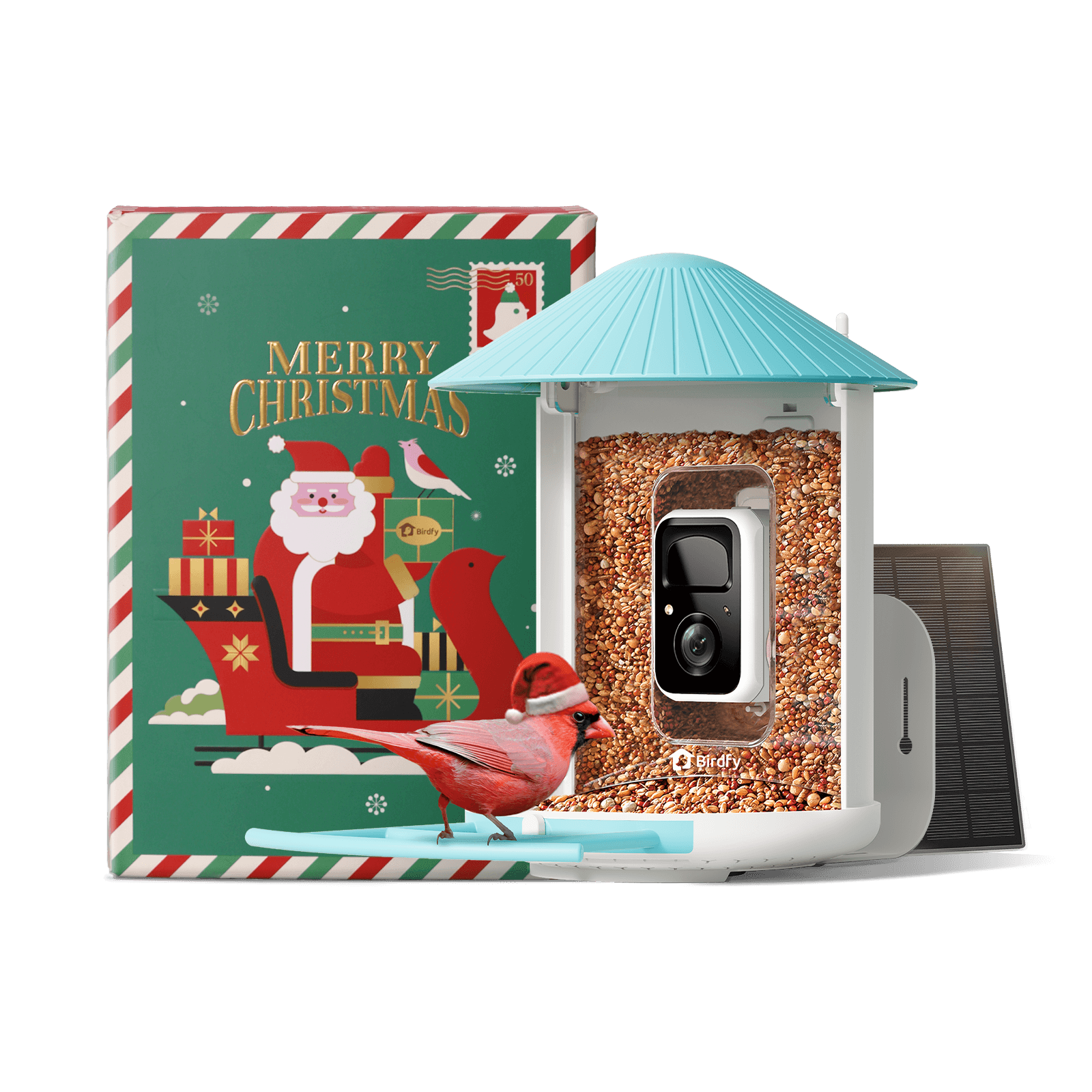
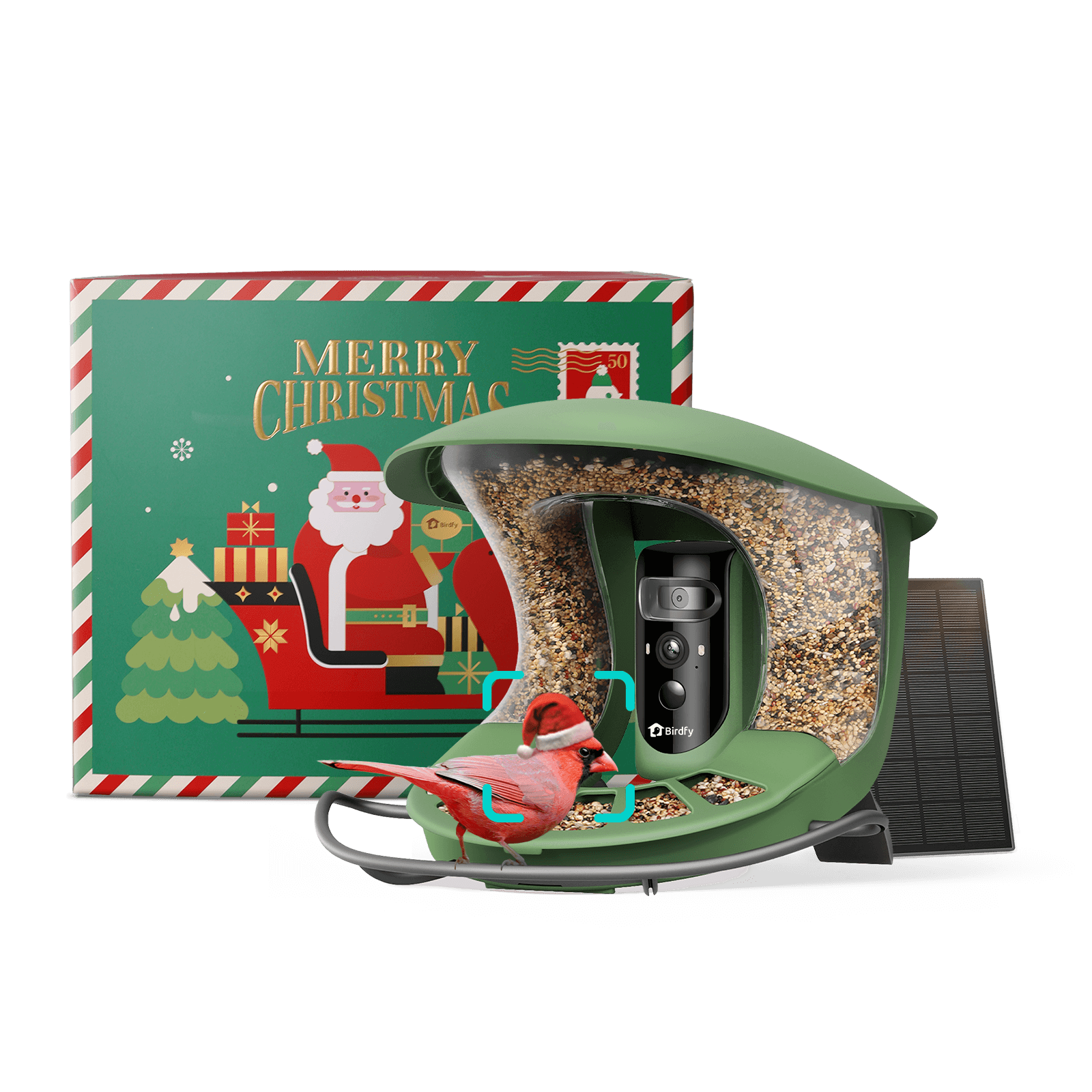
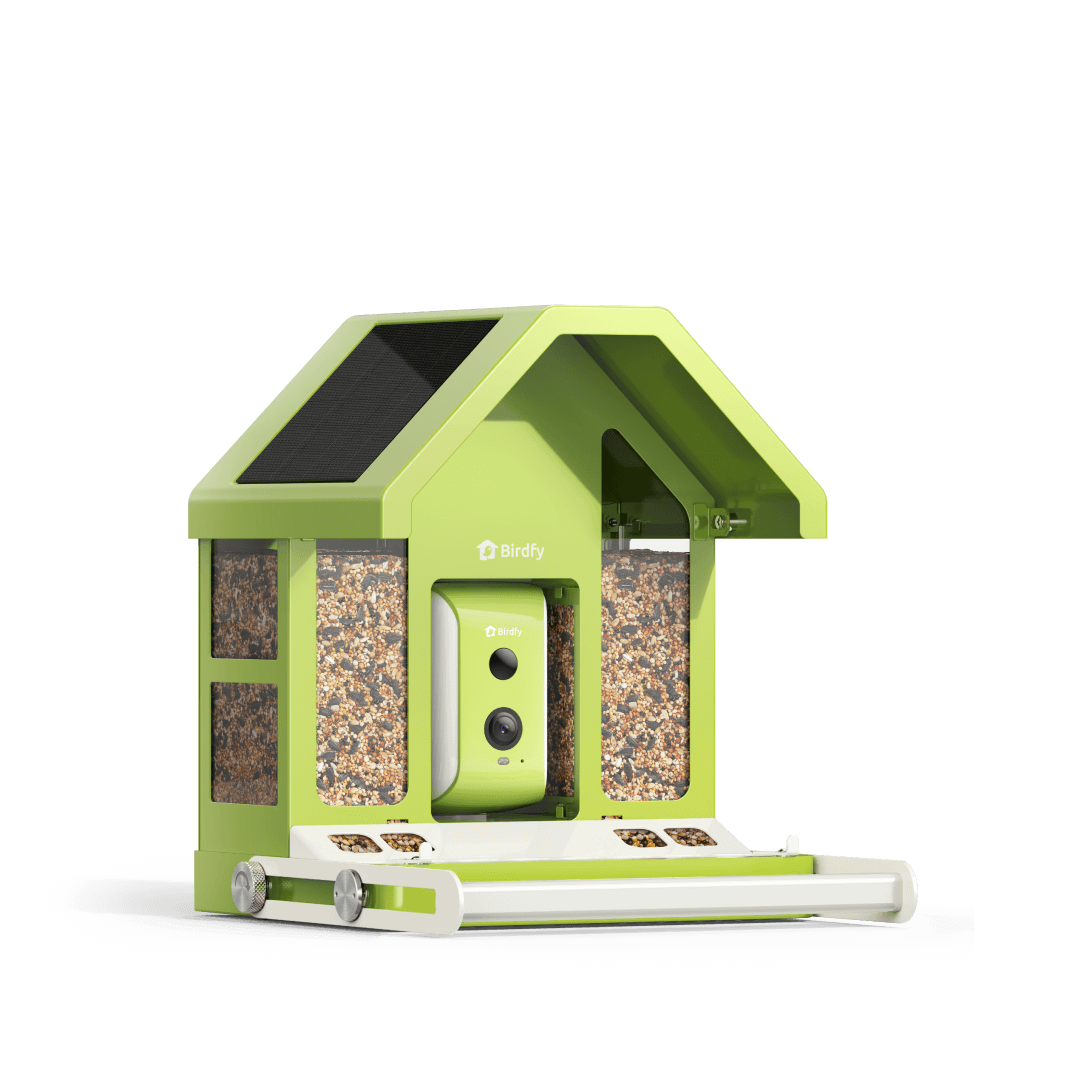
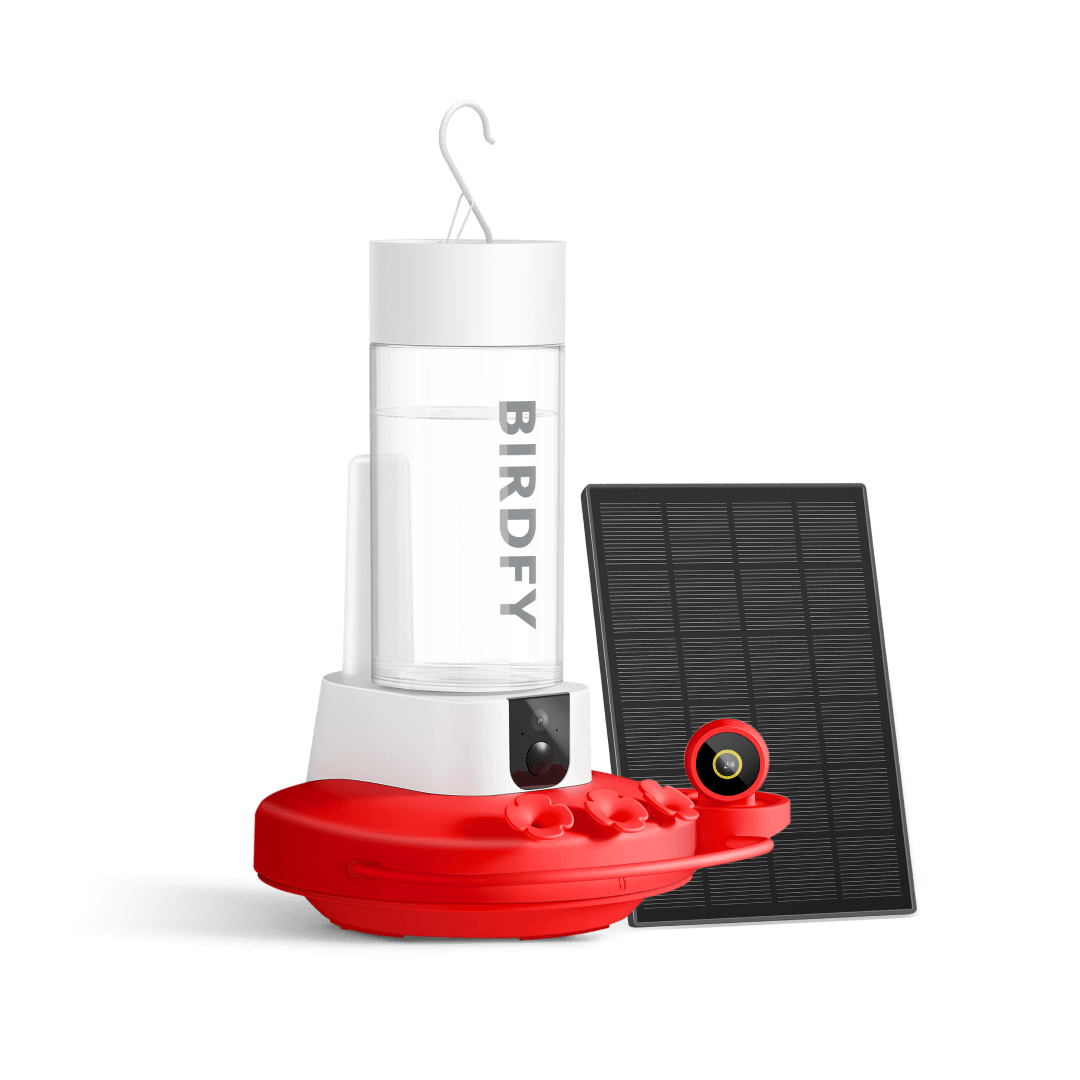
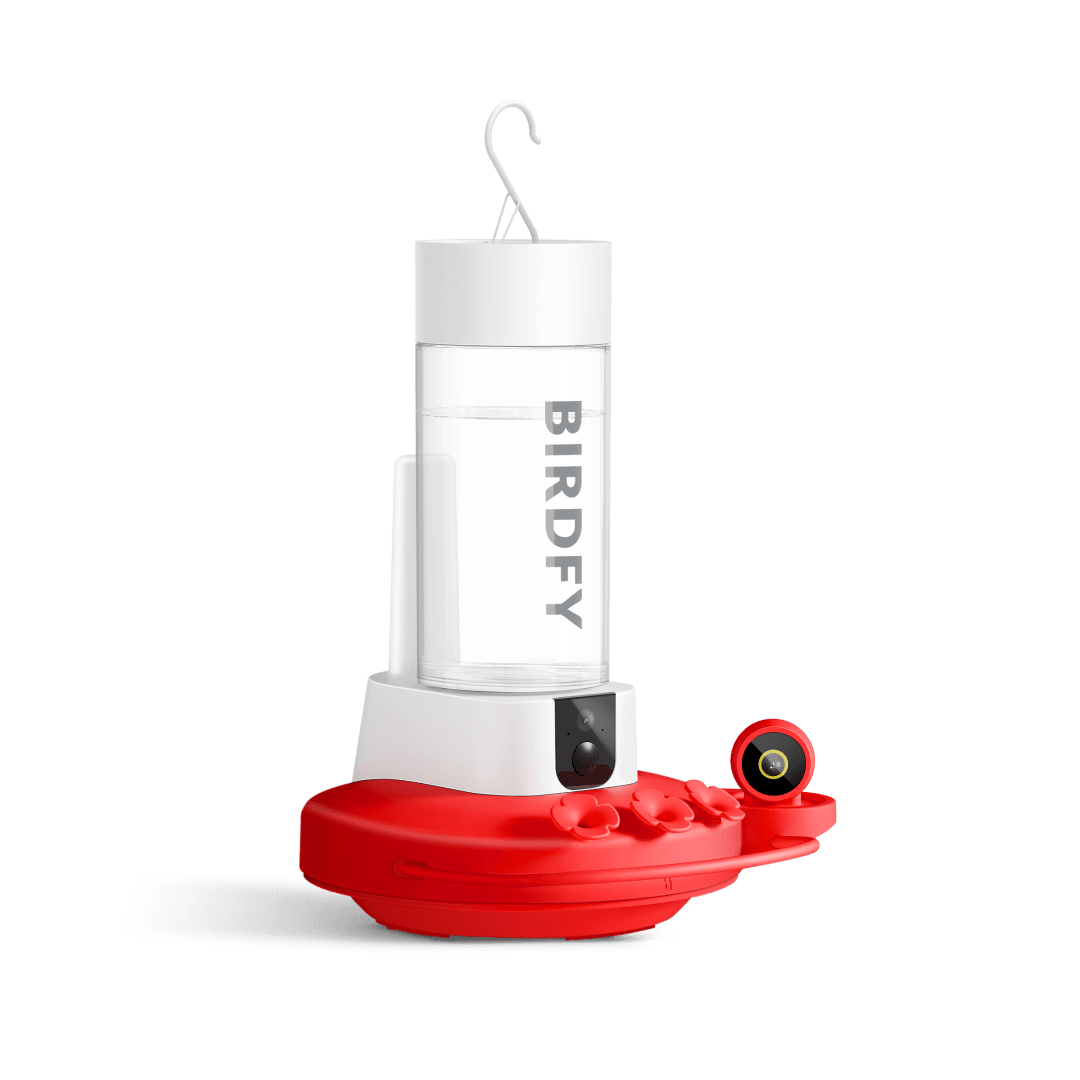
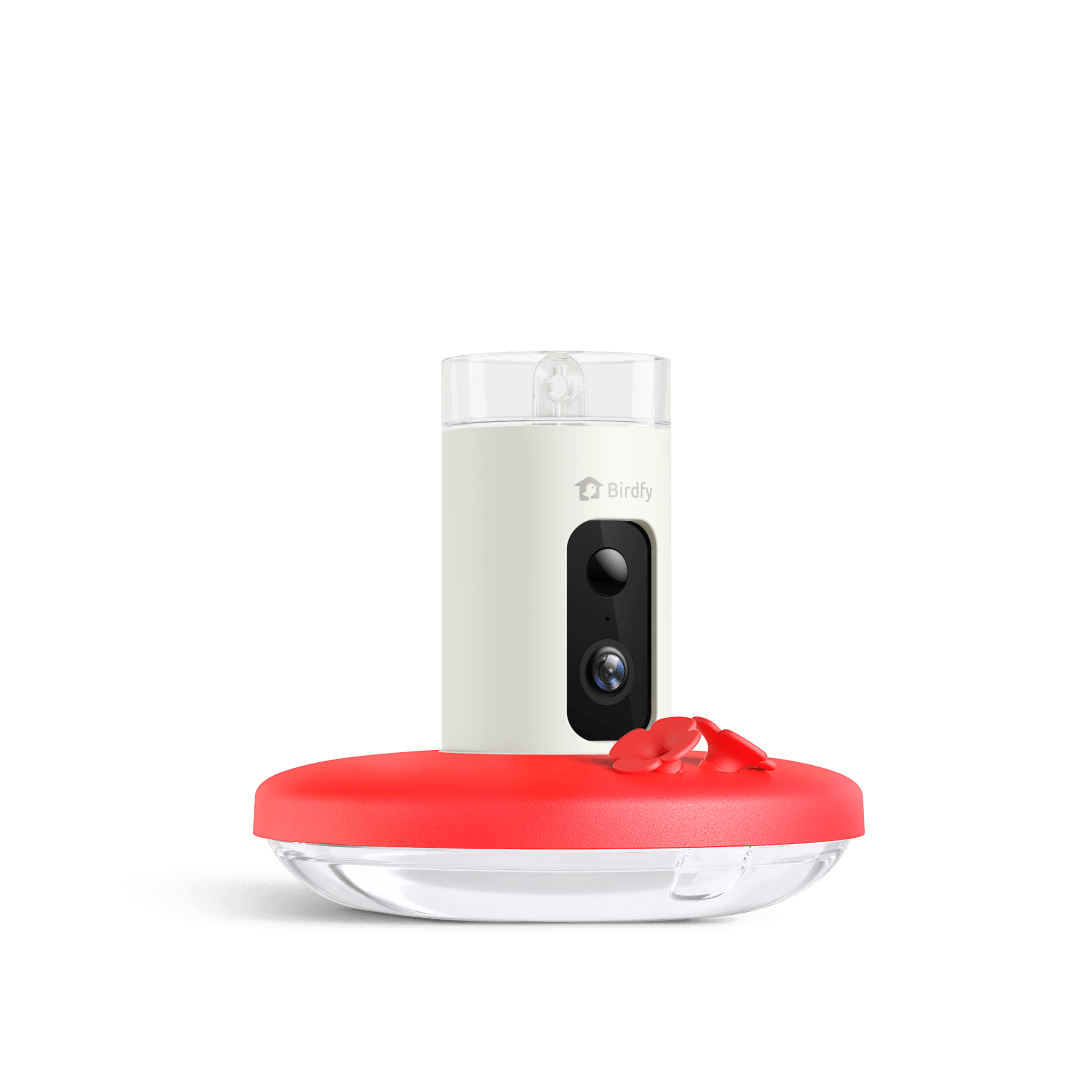
The Birdfy Hum feeder not only provides protection against ants but also effectively reduces bee disturbances through scientific design. It features special bee-proof structures, such as tightly sealed nectar ports and leak-proof designs, which prevent sweet nectar from spilling and attracting bees and other insects.
More importantly, Birdfy Hum Feeder gives you a clear view of what’s happening — anytime, from anywhere. With one or two built-in HD cameras, you can spot leaks early, check if bees are approaching, and enjoy up-close views of your hummingbirds without stepping outside. For many backyard bird lovers, it’s a wonderful way to stay connected with nature, effortlessly and peacefully.


The Spiritual Aspect: Bees, Birds, and Balance
Although determining how to prevent bees on the hummingbird feeder can feel like a war, take into consideration that both bees and hummingbirds play crucial ecological roles. Bees are pollinators, and hummingbirds are both pollinators and pest eaters. The point is not to kill bees but to have a harmonious garden where every species can feel comfortable.
Conclusion
Our ecology depends on both bees and hummingbirds, and a balance that benefits both is intended. It will take some patience and planning, but with a little effort, you can watch the frenzy of hummingbirds at your feeder and send bees on their way in a respectful manner. Whether it is figuring out how to keep bees away from hummingbird feeder setups or how to get bees off hummingbird feeders, these 8 methods will provide an extensive guide.
But the most important thing is to be consistent. Adhere to the selected practices, monitor outcomes, and adjust as needed. You will gradually have a backyard oasis with no bees and lots of hummingbirds.