



Hummingbird Lifespan Comprehensive Analysis: Understanding Their Life and Death
The hummingbird, a jewel of the avian world, captivates observers with its iridescent plumage, astonishing aerial acrobatics, and incredibly rapid metabolism. This very metabolic frenzy, which defines their existence, also makes their survival a daily struggle against the odds. Consequently, the topic of their life expectancy is a fascinating study in resilience, biology, and environmental pressure.

Average Life Expectancy of Hummingbirds
For such a fragile-looking creature, the average life expectancy is surprisingly variable but generally short. The typical wild hummingbird has an average lifespan of between 3 to 5 years. However, this average is heavily skewed by high mortality rates in the first year of life. It is estimated that a staggering 80-90% of hummingbirds do not survive their first year, succumbing to predators, starvation, disease, or accidents.
Those individuals that navigate the perilous journey from hatchling to adulthood possess a significantly improved chance of a longer life. A hummingbird that survives its first migration and first winter has a much higher probability of living for 3, 5, or even more years. This dichotomy between high juvenile mortality and relatively hardy adults is a common survival strategy in the animal kingdom, ensuring that only the fittest individuals pass on their genes.
Factors Influencing Hummingbird Lifespan
A hummingbird's lifespan is not predetermined; it is a complex interplay of numerous factors:
- Predation: This is a primary cause of mortality, especially for eggs and fledglings. Common predators include larger birds (jays, hawks, owls), snakes, lizards, squirrels, and domestic cats. Outdoor cats are a significant anthropogenic (human-caused) threat.
- Starvation and Energy Management: A hummingbird's metabolism is the fastest of any warm-blooded animal. They live on the brink of starvation, needing to consume more than their body weight in nectar each day, supplemented with insects for protein. Any disruption in food availability—a sudden frost, drought, or competition—can be fatal. Their ability to enter torpor, a state of deep, hibernation-like sleep where their metabolic rate drops by up to 95%, is a critical survival adaptation for conserving energy overnight or during cold spells.
- Disease and Parasites: Hummingbirds are susceptible to various ailments, including fungal infections like candidiasis (often from dirty feeders), avian pox, and parasitic infestations. Mites and parasites can weaken a bird, making it more vulnerable to other threats.
- Environmental Hazards and Accidents:
- Windows: Collisions with glass windows are a major cause of death and injury.
- Weather: Severe storms, hurricanes (which can blow migrants off course), and early freezes are deadly.
- Pesticides: The use of insecticides reduces their vital insect prey and can directly poison the birds. Herbicides can kill the flowering plants they depend on for nectar.
- Migration: The incredible long-distance migrations undertaken by many species (e.g., Ruby-throated Hummingbirds flying 500+ miles non-stop across the Gulf of Mexico) are extremely hazardous endeavors. Exhaustion, lack of food, and adverse weather during migration claim countless lives.
- Human-Related Factors: Beyond cats and windows, hazards include entanglement in spider webs (which can trap small birds), poisoning from contaminated sugar water (fermented or with incorrect sugar ratios), and habitat destruction.

Lifespan by Species: A Comparative Table
While data is difficult to gather for all 360+ species, banding studies have provided insights into the longevity of several common types.
| Species Name | Typical Average Lifespan (Wild) | Notable Longevity Record (Banded Wild Bird) |
|
Ruby-throated Hummingbird (Archilochus colubris) |
3-5 years | 9 years, 2 months |
|
Black-chinned Hummingbird (Archilochus alexandri) |
3-5 years | 11 years, 2 months |
|
Anna's Hummingbird (Calypte anna) |
4-6 years | 8 years, 2 months (One unverified report of 12+ years) |
| Rufous Hummingbird (Selasphorus rufus) | 3-5 years | 8 years, 11 months |
|
Broad-tailed Hummingbird (Selasphorus platycercus) |
4-5 years | 12 years (This is the oldest reliably recorded wild hummingbird) |
|
Calliope Hummingbird (Selasphorus calliope) |
3-4 years | 8 years, 11 months |
|
Magnificent Hummingbird (Eugenes fulgens) |
5-7 years | Data limited, but likely similar to other longer-lived species |
The Record Holder: The Longest-Lived Hummingbird
According to data from the Bird Banding Laboratory, the title of the oldest known wild hummingbird belongs to a female Broad-tailed Hummingbird. She was first banded in Colorado in 1976 as an adult (at least one year old) and was recaptured and rereleased by the same bander in 1987, making her at least 12 years old. This remarkable record highlights the potential longevity of these tiny creatures when they successfully avoid the myriad threats they face.
How Do Hummingbirds Die: The End of the Cycle
A hummingbird's death is rarely from "old age" in a peaceful sense. They typically die from the cumulative pressures of the factors listed above.
- Predation: The most common end, fulfilling their role in the food web.
- Starvation: This can happen quickly, often within hours during cold weather if they cannot find food or enter torpor in time.
- Exhaustion: Particularly during migration, a bird may simply expend its last energy reserves and be unable to continue.
- Disease: A weakened immune system can lead to a rapid decline.
- Trauma: Fatal injuries from window strikes or other accidents.
- Their small bodies decompose quickly, leaving little trace, which is why finding a deceased hummingbird is relatively uncommon.
Survival Without Food: A Race Against Time
Given their extreme metabolism, a hummingbird's time without food is brutally limited. The question of survival is measured in hours, not days. So, if you search "How long do hummingbirds live without food?" The answer is:
- 1. During Active Daytime: A hummingbird may begin to starve within 3 to 5 hours if it cannot find food. Their energy reserves are burned through at an astonishing rate to power their flight muscles, which beat 50-80 times per second, and their heart, which can beat over 1,200 times per minute.
- 2. Overnight (Without Torpor): If a hummingbird is unable to enter torpor at night (due to energy deficiency or other reasons), it will likely not survive the night. Its normal nighttime metabolic rate, while lower than daytime, is still too high to sustain without recent caloric intake.
- 3. Overnight (With Torpor): Torpor is their ultimate lifeline. By drastically lowering their body temperature and metabolic rate, a hummingbird in torpor can survive an overnight fast of 8-12 hours and even endure cool temperatures. However, upon waking, they are vulnerable and stiff and must immediately find food to "refuel" and raise their body temperature back to normal (around 104°F or 40°C). If they cannot find food within an hour or two of waking, they will perish.
- 4. In a worst-case scenario, a hummingbird deprived of all food would likely succumb in less than 24 hours, emphasizing the constant, life-or-death urgency of their foraging behavior.
How We Can Help Hummingbirds
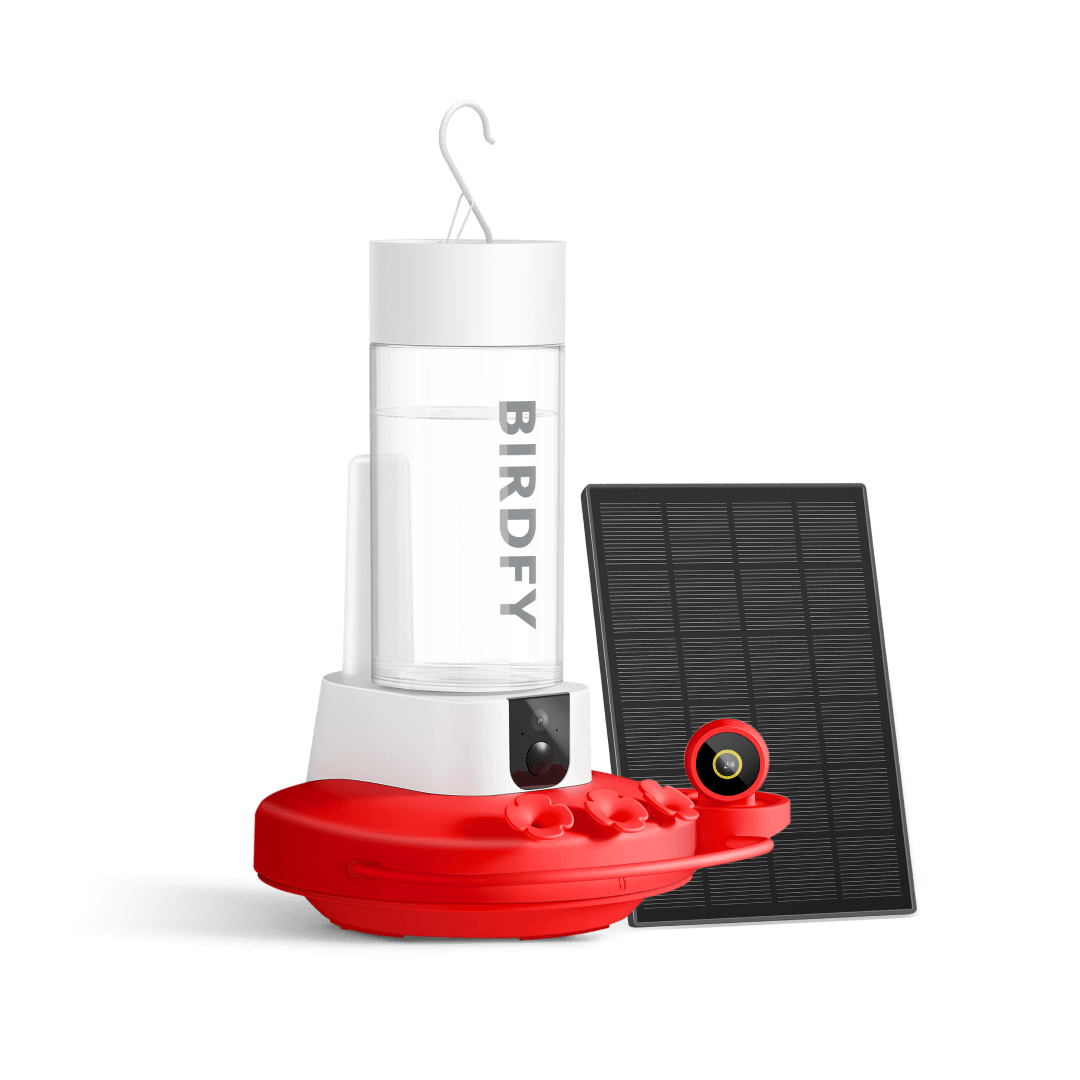
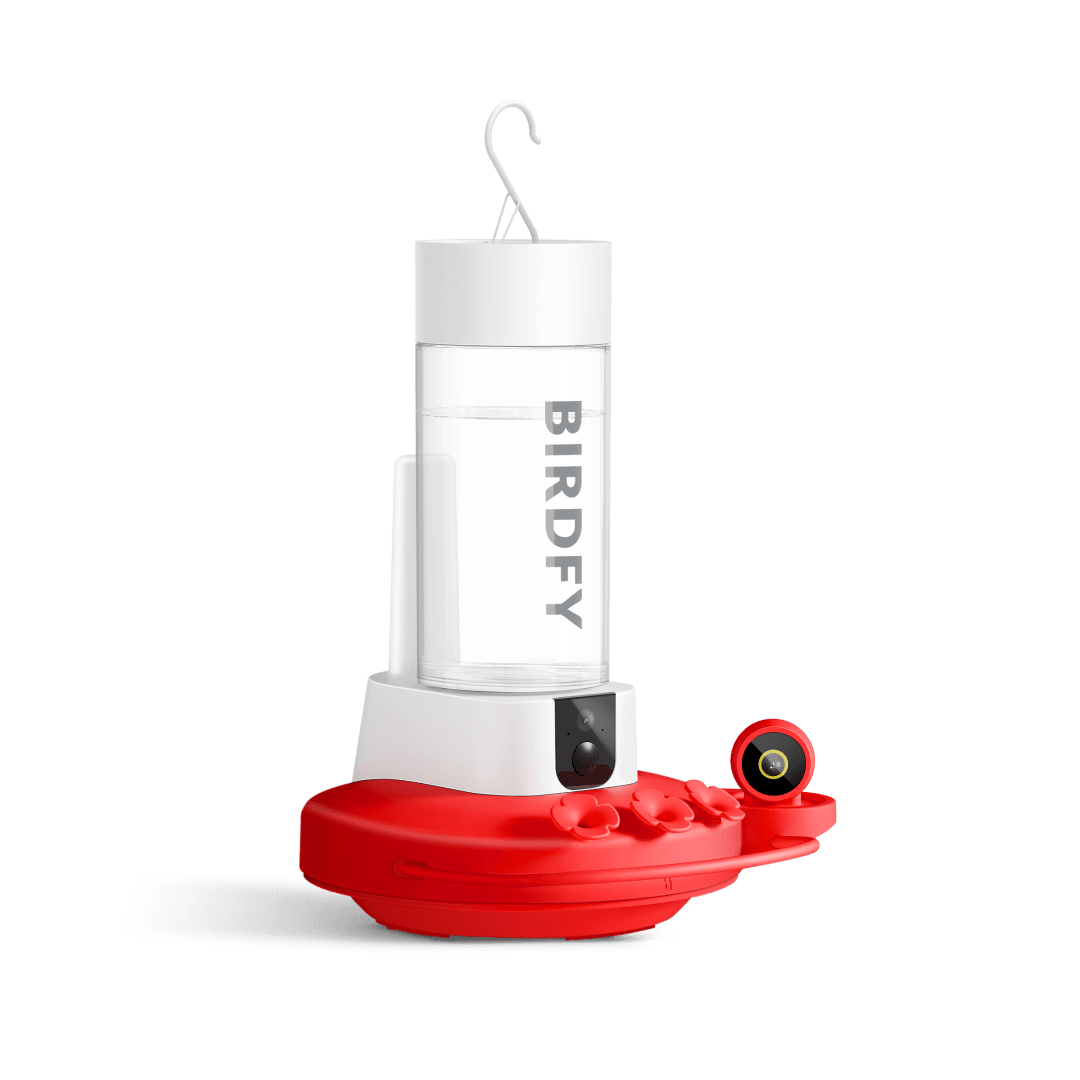
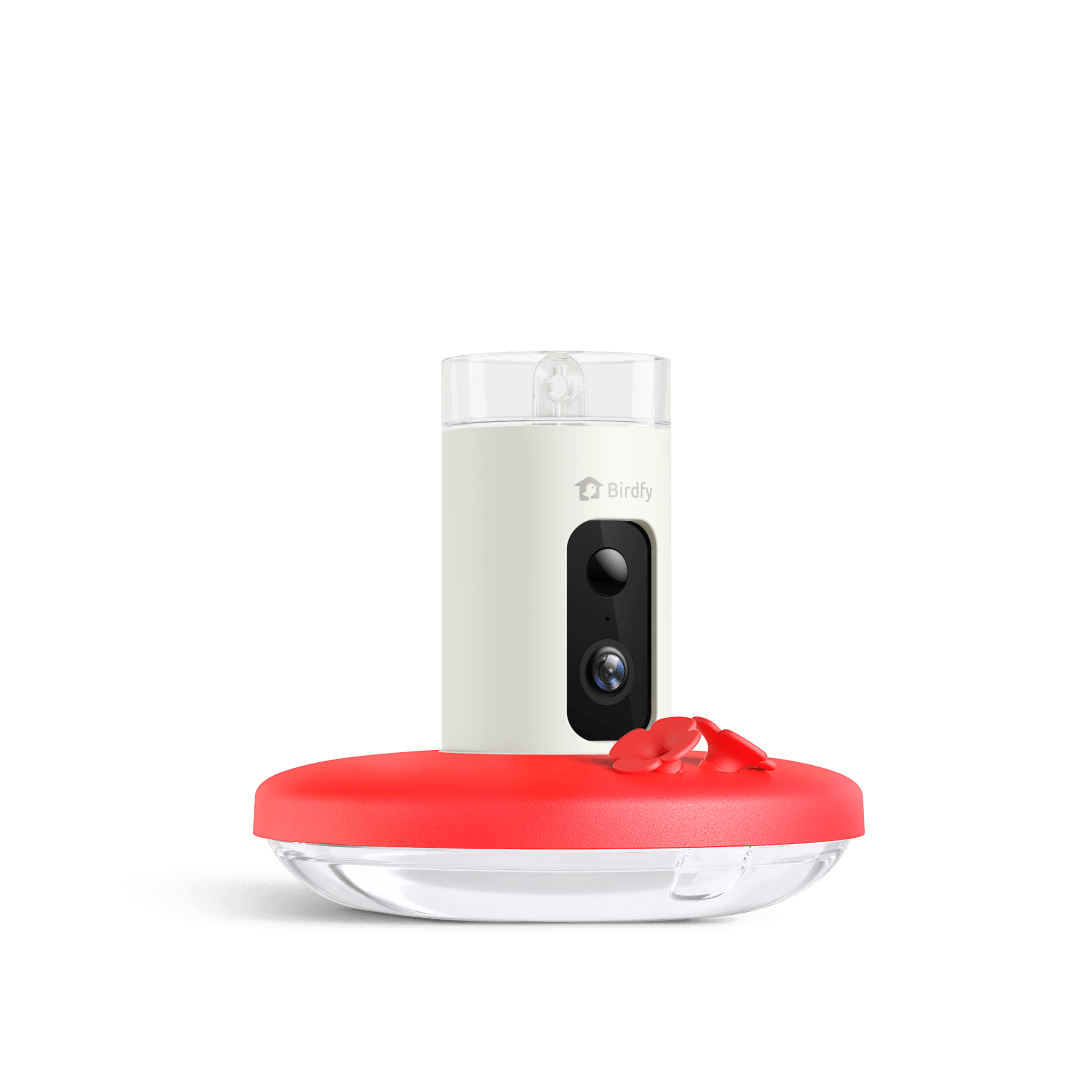
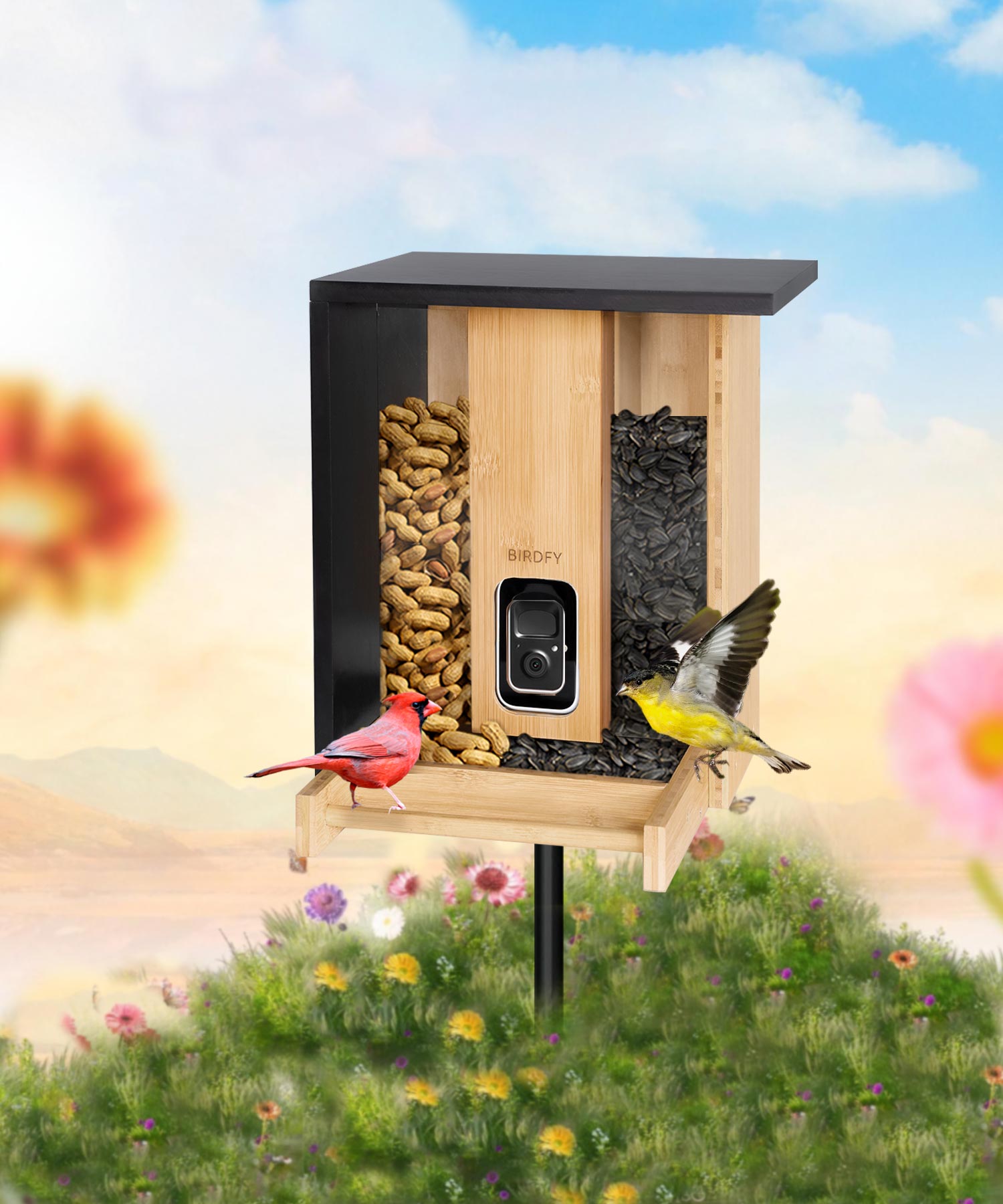
While we cannot change the hummingbird’s demanding biology, we can make survival a little easier for them. One of the simplest yet most impactful ways is by providing a steady source of nectar. A Birdfy Hummingbird Feeder ensures that hummingbirds always have access to the food they desperately need, especially during critical times like migration or early mornings after torpor. By setting up a Birdfy Hum feeder in your garden or backyard, you give these fragile creatures a reliable lifeline—an act of support well within our reach.


Conclusion
The life of a hummingbird is a breathtaking paradox: immense biological power and fragility existing in a single, tiny frame. Their life expectancy, while averaging just 3 to 5 years, is a testament to their incredible evolutionary adaptations, most notably torpor and migration. Their existence is a relentless race for nectar, a constant evasion of danger, and a demonstration of nature's tenacity. The record-setting Broad-tailed Hummingbird that lived for 12 years represents the pinnacle of this success story. Ultimately, understanding the factors that influence their lifespan—from predation and starvation to human-made threats—allows us to appreciate their struggle more deeply and underscores the importance of conservation efforts, such as planting native flowers, maintaining clean feeders, and keeping cats indoors, to help these remarkable birds thrive.
Share