












How Do Birds Find Feeders and How Long Does It Take?
Of all the joys of backyard birding, few moments are as exciting as watching the first bird discover your newly filled feeder. It can seem like magic, as if an invisible signal has been broadcast through the trees. But the process by which birds find these reliable food sources is a fascinating tale of keen senses, constant exploration, and complex social networks.
In this guide, we answer the two questions every new backyard birder asks: How do birds find bird feeders? and How long does it take birds to find a feeder?

How Do Birds Find Feeders?(The Science Explained)
Birds don’t stumble upon feeders by accident. They rely on innate abilities and learned behaviors honed over millions of years. Here’s exactly how they locate feeders:
Exceptional Vision: The Primary Scout
Birds have incredibly sharp eyesight, far superior to humans. They are constant visual scanners of their environment, noticing even the smallest changes.

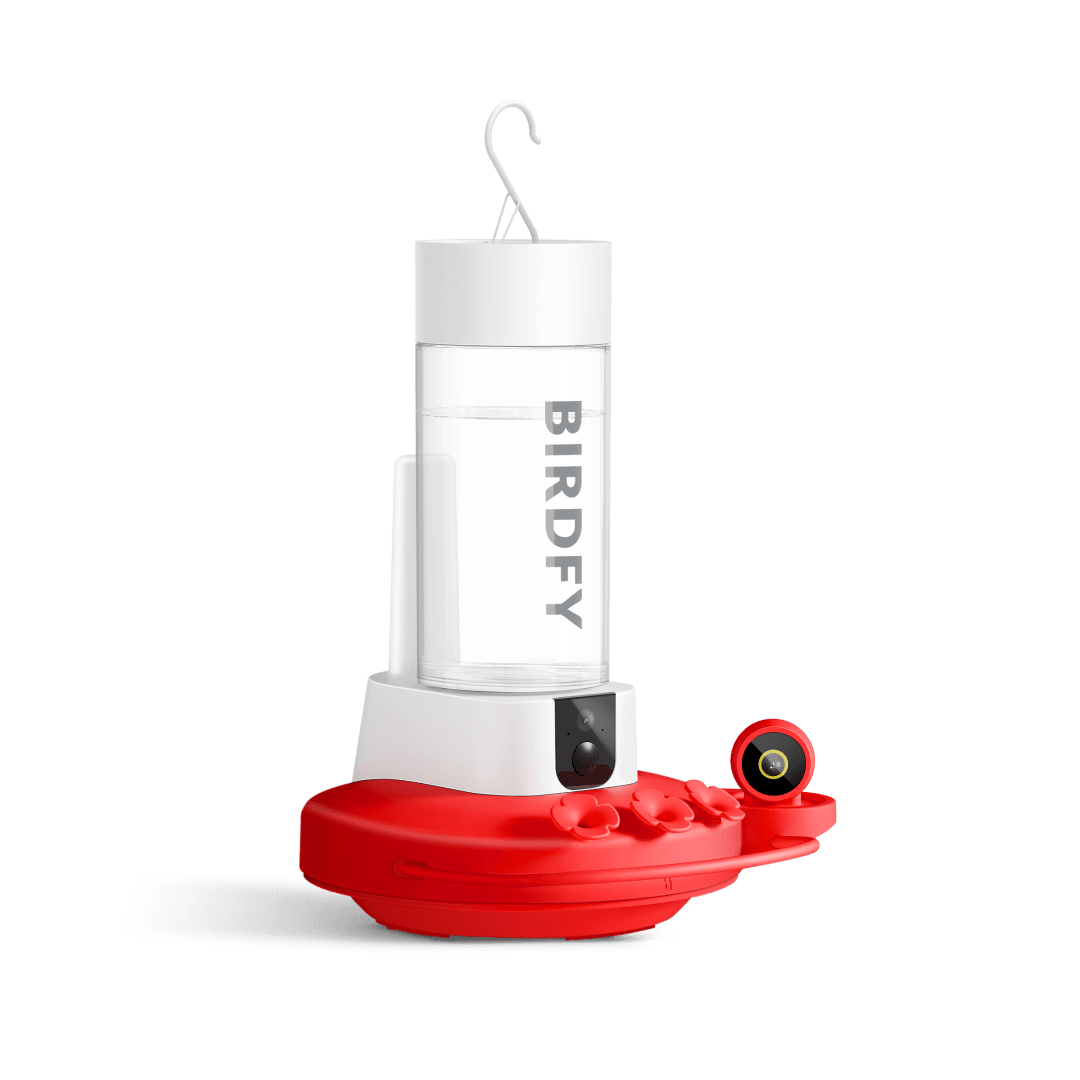
Shape and Color: While they may not recognize a feeder as a "feeder" initially, they are drawn to distinct shapes and colors that stand out from the natural landscape. A bright red hummingbird feeder, for example, mimics a large, nectar-rich flower.
Movement of Other Birds: The most obvious visual cue is the presence of other birds feeding. A flock of finches or a busy chickadee on a feeder acts as a giant, flashing "Open for Business" sign to any bird passing by.
Seed Recognition: Over time, birds learn to associate the specific shape and color of a feeder with the food it contains. They also become adept at spotting spilled seed on the ground below, which often leads their eyes upward to the source.
Keen Hearing: Listening for the Dinner Bell
Birds have acute hearing and can detect social calls and excited chirps from a significant distance. The noisy commotion at a busy feeder serves as a clear auditory signal that food is available. They can even learn to recognize the specific sounds of you filling the feeder, like the clink of a metal scoop, or rustle of a seed bag, and often appear within moments.
Constant Exploration: The Foraging Imperative
Birds are highly intelligent and build detailed mental maps of their territory. They spend most of their day methodically exploring trees, shrubs, and the ground. A new feeder is simply another landmark worth investigating. Curious “pioneer” species like chickadees and house sparrows are usually the first to land, peck, and decide if it’s worth returning to.

How Long Does It Take Birds to Find a New Feeder?
There is no single answer. It varies by location, season, and bird population, but most backyard birders see their first visitors within a few days to two weeks. Here’s the typical timeline:
| Time Period | Likely Bird Species to Appear | Key Influencing Factors |
|---|---|---|
| 24–48 Hours | Black-capped Chickadees, House Sparrows, Northern Cardinals | Curious pioneer birds + high visibility |
| First Week | American Goldfinches, Tufted Titmice, Mourning Doves | Social “dinner bell” effect begins |
| 2 Weeks and Beyond | Woodpeckers, Nuthatches, Native Sparrows | Cautious species building trust |
Factors that influence discovery time:
- Time of year: Birds find feeders fastest in late fall, winter, and early spring when natural food is scarce. Summer and autumn are slower.
- Feeder placement and safety: Near trees or shrubs (5–15 feet away) with a clear 360° view is ideal.
- Local bird population: Bird-rich suburban areas see faster results than new developments or urban zones.
- Type of food: High-value seeds like black oil sunflower seeds are discovered much quicker.
How to Help Birds Find a New Feeder Faster
You don’t have to wait passively. These simple, effective strategies, backed by years of Project FeederWatch data from the Cornell Lab of Ornithology, can dramatically speed things up:
Strategic Placement
Location is everything. Choose an open spot with a clear view but within 10–15 feet of natural cover for quick predator escape. Placing a new feeder near an existing one helps birds discover it faster.

Use a Seed "Trail"
Scatter a small amount of seed on the ground beneath the feeder and on the feeder itself (especially platform feeders). This creates a visual and edible breadcrumb trail that leads directly to your new setup.
Offer High-Value, Popular Food
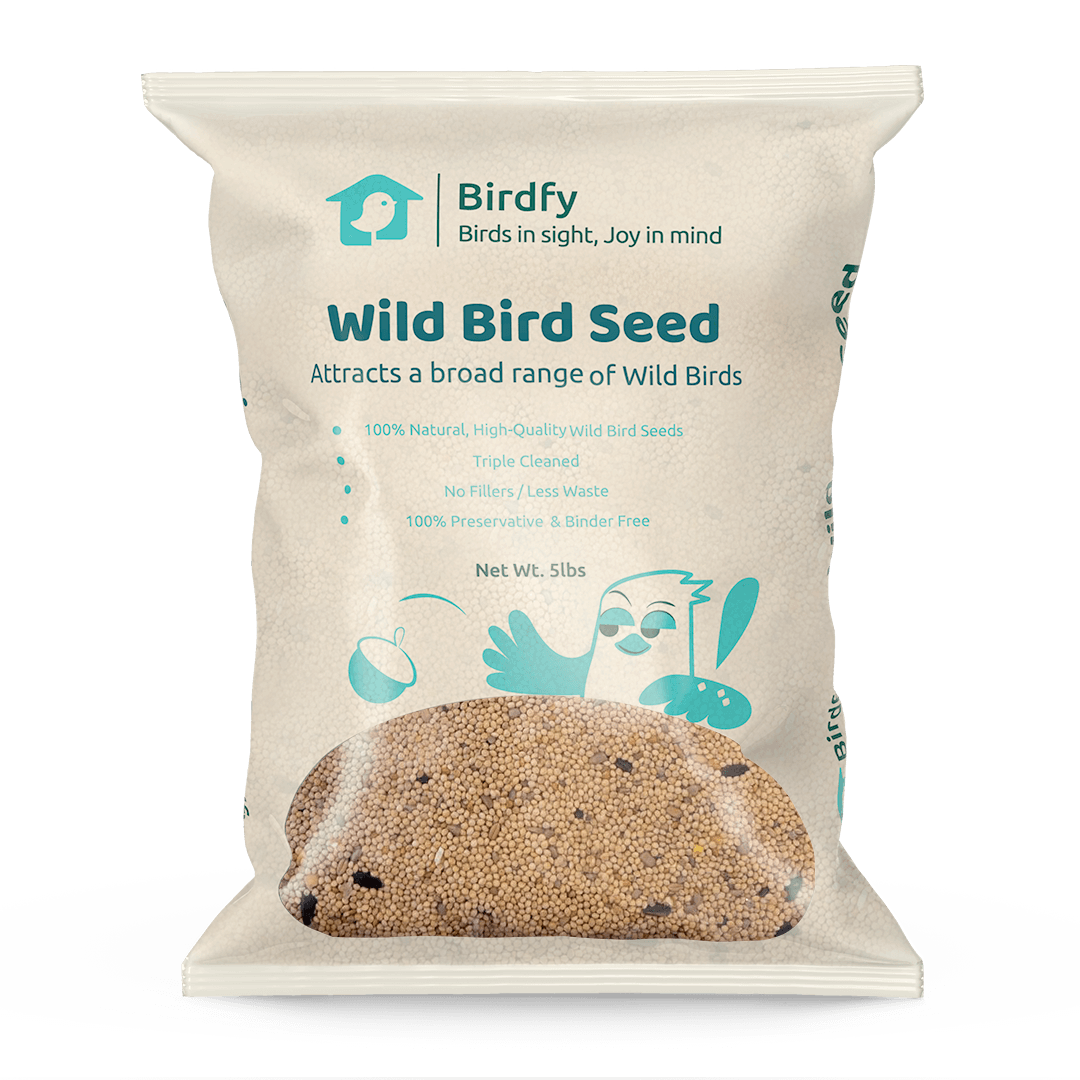
Start with black oil sunflower seeds, the universal favorite of the bird world. They appeal to the widest variety of species and get noticed quickly.
add a Water Source
A birdbath or dripper is incredibly attractive. The sound and movement of water draw birds in, and they’ll inevitably notice the nearby feeder.

Be Consistent and Patient
Once you start, maintain a consistent feeding schedule. Birds incorporate reliable food sources into their daily foraging routes. If it empties for days, they may remove it from their mental map.
FAQs about How do Birds Find Feeders
Do birds tell each other where food is?
Not with human language, but yes, through behavior. When one bird feeds safely and noisily, its presence and calls signal to others that the location is safe and profitable. Chickadees and titmice are especially good at spreading the news through flock calls.
Can birds smell food from far away?
For most backyard songbirds, finches, and woodpeckers, the answer is no. They have a very poor sense of smell and rely almost entirely on vision and hearing. (Vultures are the rare exception.)
How do birds know when you have filled the feeder?
They learn your routine. Birds are creatures of habit and are highly observant. If you fill your feeder at the same time each morning, they will quickly associate sounds (like the scoop clinking) or your regular schedule with fresh food.
How do birds find food in the winter?
Winter is a desperate time, and foraging strategies intensify. With the leaf cover gone, visual detection of feeders and other food sources becomes easier over longer distances. Birds also form mixed-species flocks in winter, which act as mobile foraging networks.
Conclusion
Understanding how do birds find feeders and how long it takes turns the wait into an exciting glimpse into their intelligent world. By placing your feeder thoughtfully, offering their favorite foods, and staying consistent, you’ll soon transform your backyard into a thriving hub of avian activity.
The first bird that lands on your new feeder isn’t magic, it’s the result of millions of years of evolution and a little help from you. Be patient, and the rewards will be well worth it.
Share


