











How to Provide Shelter for Birds in Winter
Knowing how to provide shelter for birds in winter is essential for helping them survive the cold months. During this time, food becomes scarce and safe resting spots are hard to find. By setting up insulated birdhouses, roosting boxes, or cozy backyard shelters, you can give your feathered friends a warm and safe place to rest. In this article, we will share a simple guide to provide a shelter for birds in winter, which helps the little creatures to stay warm, dry, and safe during cold months.
How to Provide Shelter for Birds in Winter
Below are some simple and effective tips you can follow to create a shelter for birds in winter.
1. DIY Cozy Winter Roosting Boxes for Birds
One of the most effective ways to provide shelter for birds in winter is by making your own DIY roosting box. Unlike nesting boxes, which are designed for breeding, roosting boxes help birds stay warm during cold nights. They are often equipped with small perches inside, allowing several birds to snuggle together and share body heat — a lifesaver on freezing winter evenings.
Here are some simple tips to make a safe and welcoming winter roosting box:
- Use untreated wood, such as cedar or pine, to keep birds safe from harmful chemicals.
- Add ventilation holes near the top for proper airflow and moisture control.
- Include interior perches so multiple birds can rest comfortably.
- Position the entrance hole away from prevailing winds to reduce drafts.
- Mount the box in a protected spot, about 10 feet above the ground, to keep birds safe from predators.
Species like chickadees, nuthatches, and wrens are especially fond of these cozy shelters.
2. Put a Roof to Keep Bird Feeders Dry and Safe During Winter
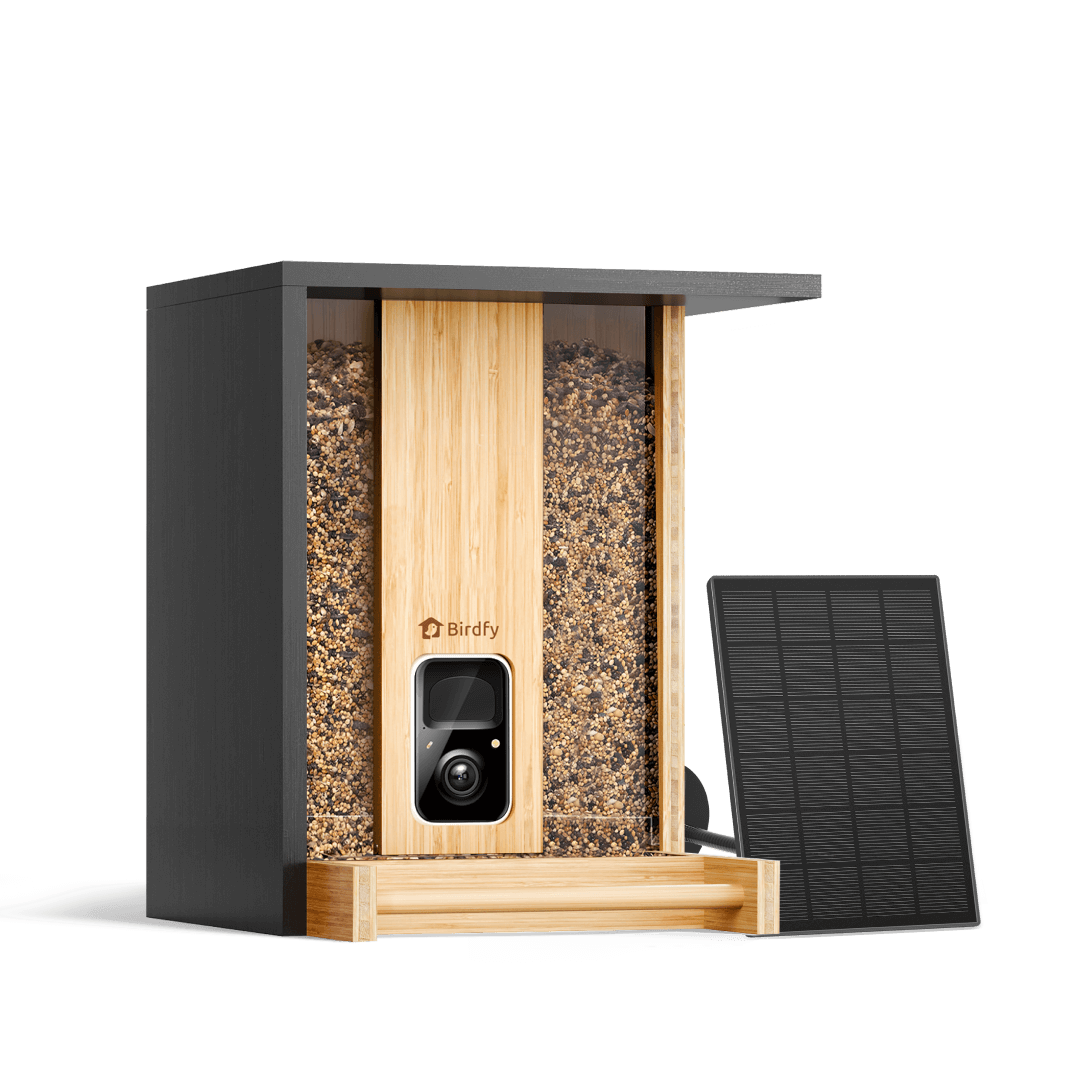
During the cold months, birds often spend most of their day near feeding areas, so it’s essential to keep your bird feeders dry and secure. Adding a simple roof or weather guard above your feeder can make a big difference. It protects your feathered friends from snow, rain, and wind, offering them a small but vital winter bird shelter where they can feed comfortably even in harsh conditions.
This setup can also double as a mourning dove winter shelter, providing a soft and safe spot for ground-feeding birds to rest close to their food source.
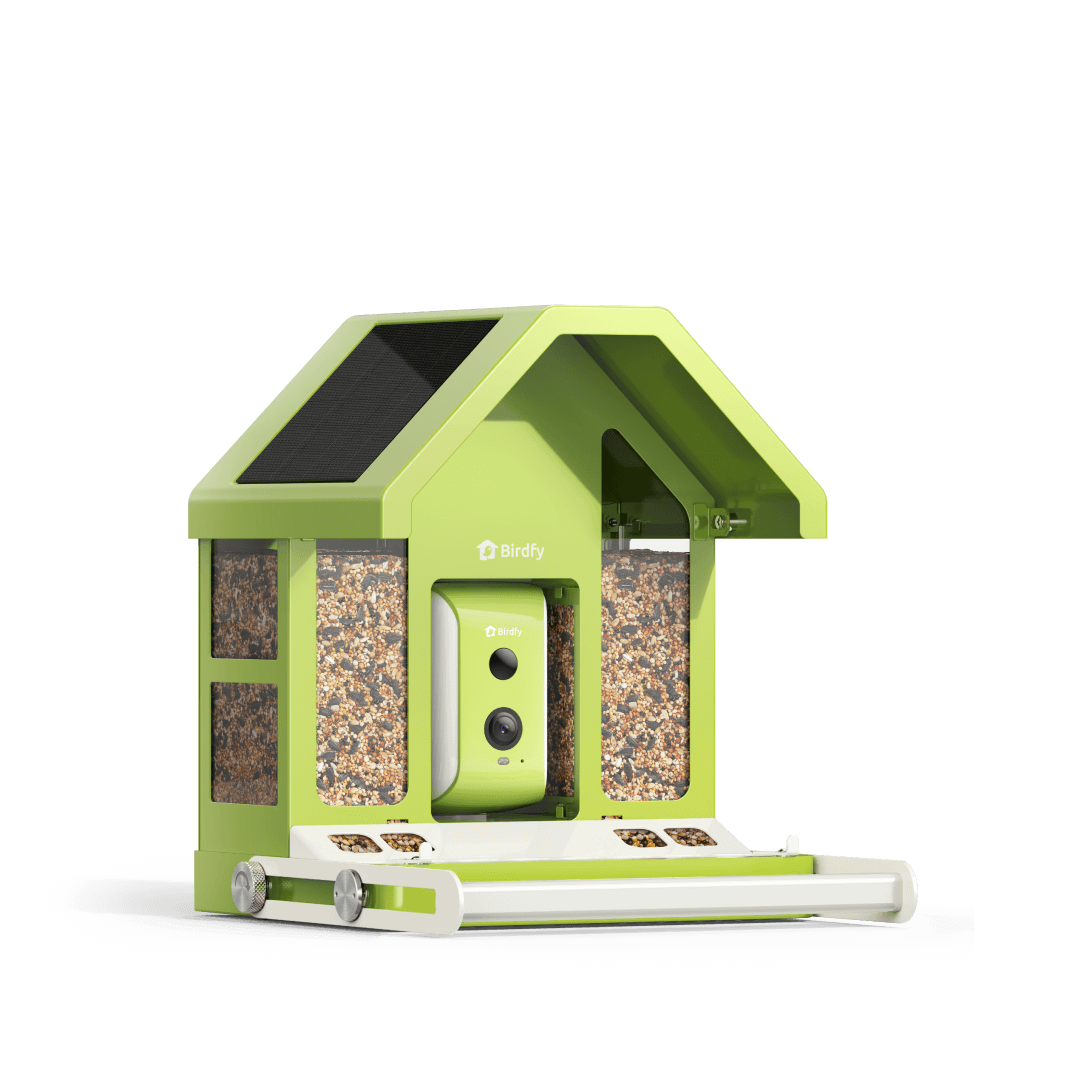
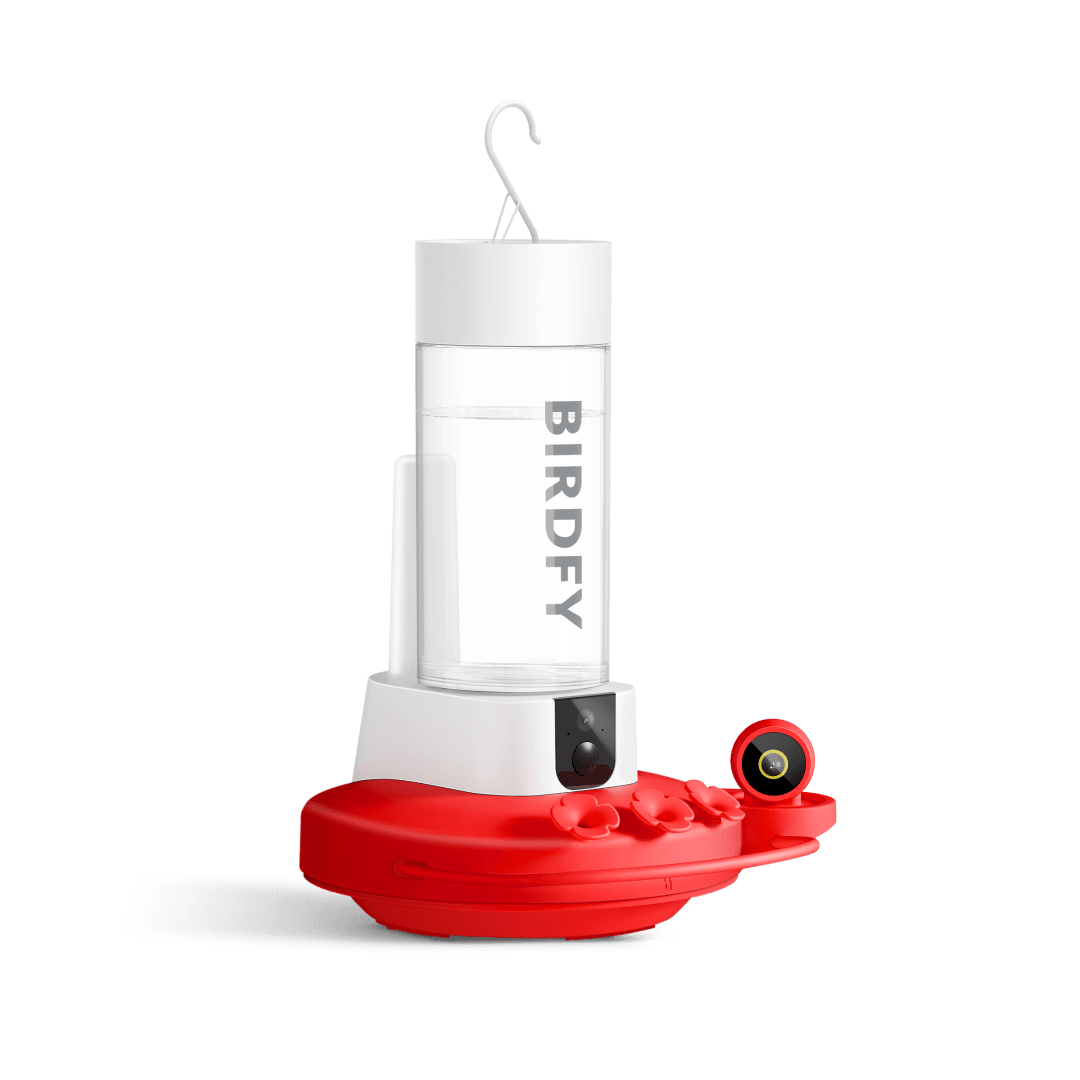
Try the best bird feeder for winter - Birdfy Feeder 2 Pro. Its IP66 waterproof and weatherproof design ensures reliable operation in rain, snow, and wind.

3. Keep Birdhouses and Nesting Boxes Up Through Winter
Some cavity-nesting birds still use birdhouses during the winter, such as blue robins, tits, great tits, scops owls, swallows, cardinals, sparrows, jays, wrens, and woodpeckers. These birds use birdhouses or roosting boxes for warmth.
To prepare birdhouses for winter:
- Put a layer of wood shavings or dry leaves inside.
- Plug ventilation holes to stop drafts.
- Make sure the entrance faces south to get the most sunshine.
4. Try Weather-Resistant Birdhouses for Snowy Conditions
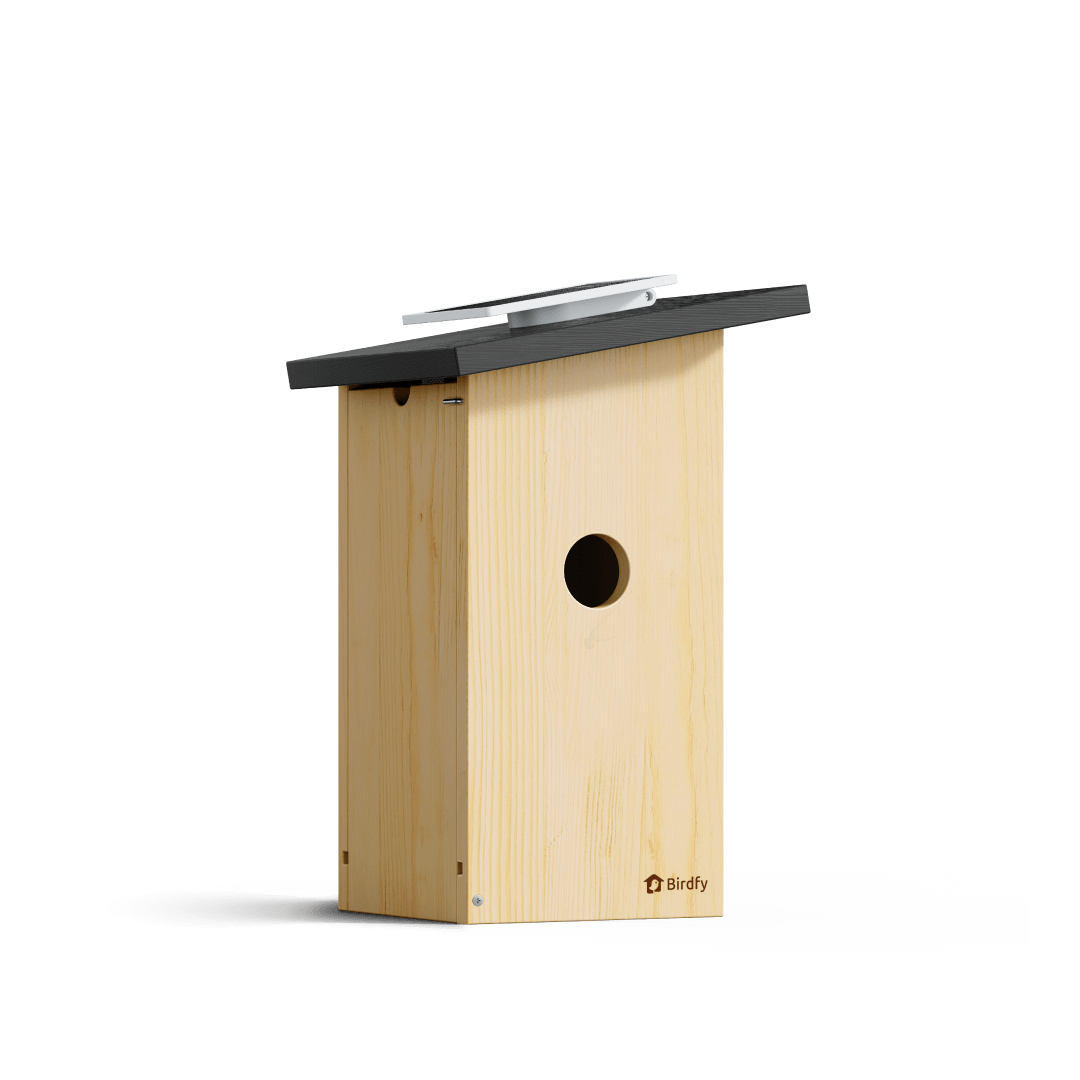
To make aviaries better for wintering, you can try using a snowproof birdhouse, such as the Birdfy Nest Duo. This is a smart birdhouse with dual internal and external cameras to monitor the birds' every move inside. The materials are treated for durability, achieving IP66 waterproofing and operating at -10 degrees Celsius. See how a blue robin lives in the Birdfy Nest Duo:


5. Provide Food and Water Nearby
As birds require energy to produce heat, providing them with a shelter alone is insufficient. You should also provide birds with food and water.
Tips to provide water and food for birds in the winter:
- Put bird feeders close to roosting boxes where birds perch and provide high-fat meals, such as peanuts, sunflower seeds, and suet.
- Place feeders close to evergreen trees or shrubs for easy cover.
- Use a heated birdbath to prevent water sources from freezing.
- Space feeders and shelters for low competition apart to prevent crowding.

This arrangement prevents birds from losing body heat when moving between food, water, and their bird shelter winter homes.
6. Avoid Cleaning or Disturbing Shelters Too Often
Quietness makes birds feel secure, and they may become frightened by frequent handling or cleaning. So it's better to maintain birdhouses or roosting boxes before winter arrives:
- Remove any old nesting material in the fall.
- Don’t disturb the birds once the outside winter birdhouses are occupied.
- Fix any holes or crevices that could let cold air enter.
7. Add Perching and Roosting Spots Around the Yard
Provide natural perching places in addition to boxes and dwellings. Before roosting, birds use them to relax or preen.
Tips to follow:
- Place wooden dowels or tree branches close to feeders.
- Dead trees serve as natural roosts, so if it's safe, leave them standing.
- For additional protection, hang bundles of twigs or grapevines beneath the eaves.
When winter arrives, small birds like wrens and chickadees love these comfortable nooks.
8. Group Multiple Birdhouses Together
Some bird species thrive in communal settings during cold weather. Grouping several birdhouses together allows birds to share warmth and conserve energy through the night.
Place your group roosting birdhouses near hedges, fences, or sheltered corners, where they are protected from harsh winds. The shared body heat inside these clustered shelters can significantly raise the internal temperature, helping birds stay comfortable even in freezing conditions.
This setup works especially well as a chickadee winter shelter, since chickadees naturally roost in small groups. By offering them a safe and cozy space to huddle together, you’re helping them endure the winter with warmth, safety, and companionship.
Additional Tips for Building the Best Bird House for Winter
- Size Matters: Select sizes that correspond to the species of birds in your area. A dove requires greater room, whereas a chickadee's winter house should be compact and snug.
- Entry Holes: Make sure the right birdhouse hole size for different bird species; if it is too big, predators can get in easily.
- Location: For morning sunlight, mount shelters facing southeast.
- Maintenance: Occasionally inspect boxes for damage or dampness.
For year-round bird safety, mix shrubs, brush piles, and outdoor winter birdhouses.
FAQs
1. Will birds use birdhouses in the winter?
Indeed! Various small birds use birdhouses in winter as roosting places. These areas provide defense against predators, wind, and snow. They can retain body heat and keep birds warm on chilly nights if they are adequately insulated.
2. What birds use birdhouses in winter?
Some cavity-nesting birds still use birdhouses during the winter, such as blue robins, tits, great tits, scops owls, swallows, cardinals, sparrows, jays, wrens, and woodpeckers.
3. What is the difference between a nesting box and a roosting box?
While a roosting box keeps several birds warm in the winter, a nesting box is used to raise babies in the spring. Better insulation to maintain heat, inside perches, and a lower entry are features of the roosting bird house.
4. What birds use a roosting box?
Wrens, chickadees, bluebirds, titmice, and downy woodpeckers are among the birds that frequently use roosting boxes. Try finding the species-specific designs, like bluebird or chickadee winter roosting box plans that satisfy their particular requirements.
Conclusion
It is easy yet satisfying to help birds survive in the cold months. You can create a warm refuge in your backyard for birds by providing them with natural shelters, installing winter bird houses, and adding food and water supplies. Every effort counts, whether you make DIY winter bird shelters or try a snow-resistant birdhouse for winter - Birdfy Nest Duo.
Share


