

















What Do Blue Jays Eat? A Complete Guide to Their Diet
Blue Jays are among North America’s most recognizable birds. They are easily spotted in backyards, parks, and forests because of their bright blue feathers, loud calls, and intelligent behavior. A question many birders ask is: What do Blue Jays eat?
Blue Jays are highly adaptable omnivores. Their diet shifts with the season, local habitat, and food availability. In general, they eat nuts, seeds, insects, fruits, and occasionally small animal matter.

Because Blue Jays eat both plant-based and animal-based foods, they can adjust better than many bird species when weather or food supplies shift.
What Do Blue Jays Eat in the Wild?
To understand what Blue Jay birds eat, it helps to look at their natural habitat. Blue Jays in the wild consume:
- Acorns and beechnuts
- Corn and seeds
- Berries and seasonal fruits
- Invertebrates such as caterpillars, beetles, grasshoppers, crickets, and spiders
Blue Jays are not as choosy as some birds. Whatever food is available and safe will be exploited by them, foraging both in trees and on the ground.

Blue Jays and Oak Trees: An Important Ecological Link
There is a significant ecological relationship between oak trees and Blue Jays. Blue Jays frequently pick up acorns and bury them, and become unable to remember where they put them. This action assists in dispersing oak trees in the course of time. They also feed on nuts, seeds, and seasonal fruits and, therefore, are significant players in the woodland ecosystems.
What do Blue Jays Eat in Winter & Summer?
The change of seasons significantly influences Blue Jay eating habits:
- Spring and Summer: Blue Jays eat more insects and other protein-rich prey, plus berries and soft fruits. This is especially important during breeding season, when adults need extra energy, and nestlings benefit from high-protein foods.
- Fall and Winter: Insects become scarce, so Blue Jays rely more on nuts, seeds, and cached food. High-energy items such as acorns, sunflower seeds, peanuts, and corn become particularly important in cold weather. Blue Jays also tend to visit backyard feeders more often in winter when natural foods are harder to find.
Their intelligence helps them remember where to feed and allows them to return to familiar food sources repeatedly, contributing to their success in diverse habitats.
Do Blue Jays Eat Insects?
Yes, insects are an important part of a Blue Jay’s diet, especially in spring and summer. They eat beetles, caterpillars, grasshoppers, crickets, spiders, and similar prey. Young Blue Jays also benefit from insect-rich diets because insects provide the protein needed for growth.

Although Blue Jays aren’t specialized insect hunters, they are effective opportunistic foragers, probing bark, inspecting leaves and branches, and searching on the ground for moving prey. Their insect consumption can also help reduce certain garden pests.
Do Blue Jays Store Food?
Yes. Blue Jays are well known for caching food, especially nuts like acorns. They hide food in soil, leaf litter, and tree crevices and return to it later. Caching is most common in late summer and fall, helping them prepare for winter shortages and storms.

This behavior reflects their intelligence and contributes to their success across a wide range of habitats.
What Should You NOT Feed Blue Jays?
Although Blue Jays are adaptable, not every food is safe for them. Avoid offering:
- Salty or seasoned foods (chips, salted nuts)
- Chocolate
- Avocado
- Alcohol or caffeine
- Moldy or spoiled food
- Highly processed sugary foods (cakes, cookies)
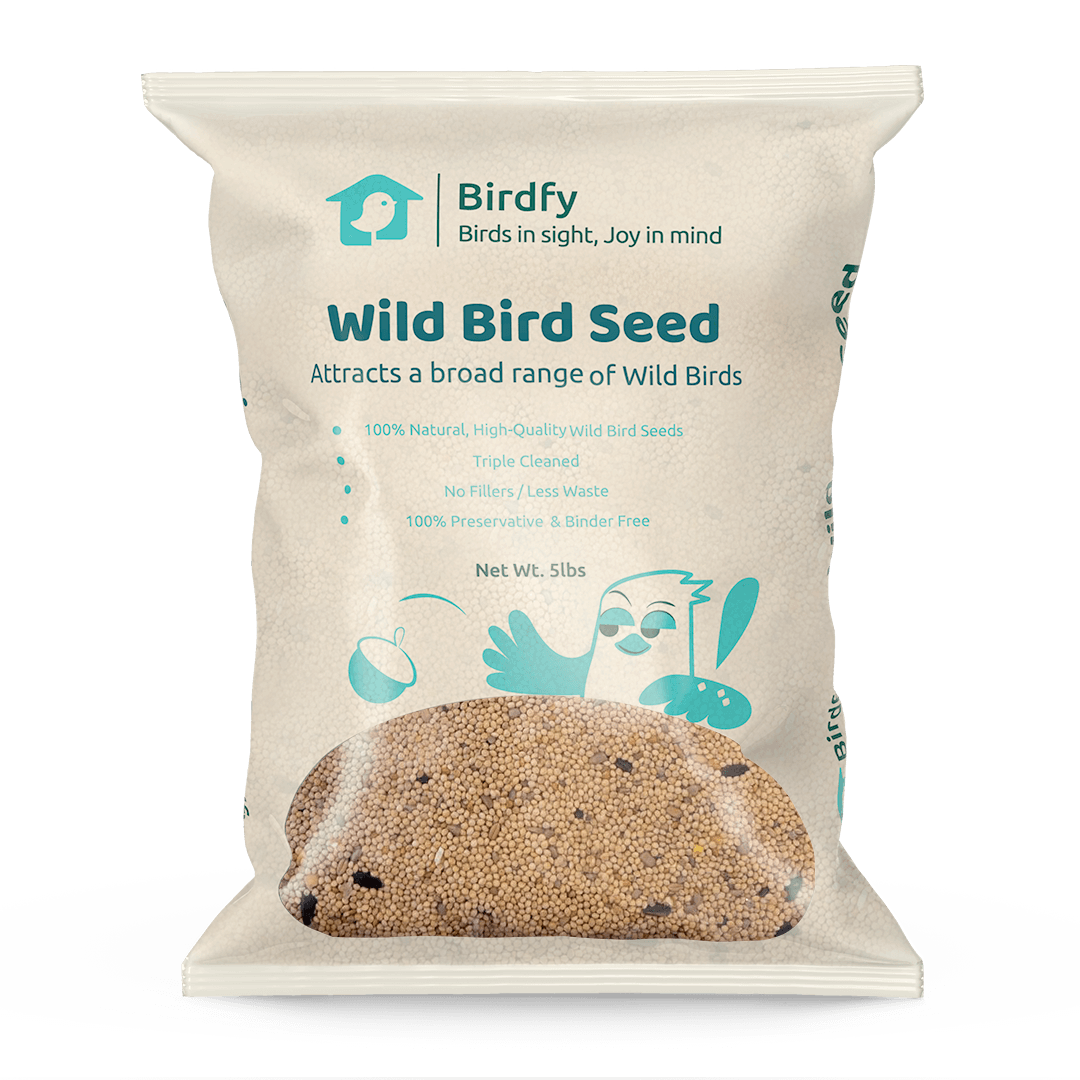
Safe alternatives: For safer feeding, offer unsalted peanuts, black oil sunflower seeds, cracked corn (in moderation), suet (especially in winter), and native fruits when available.
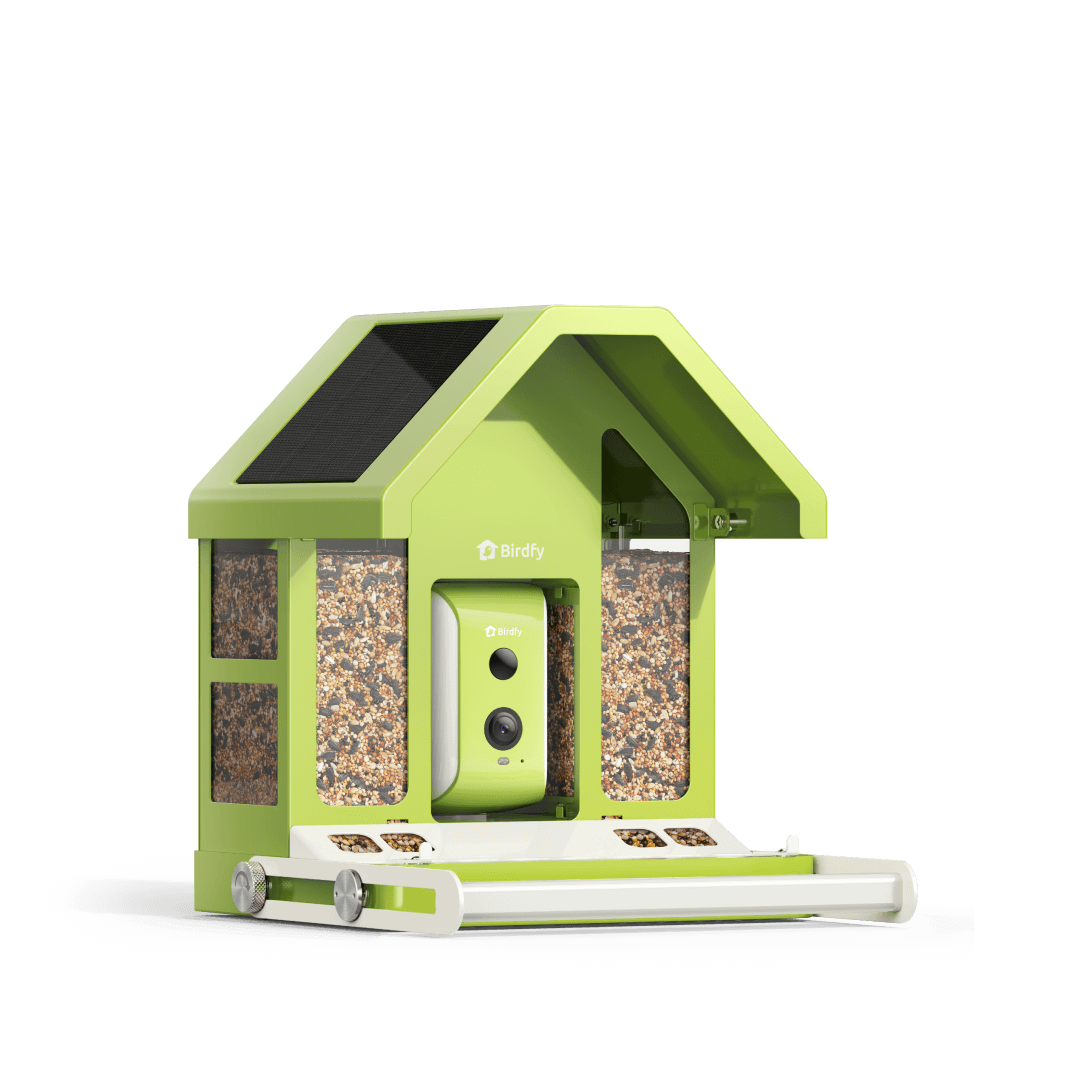
Also, keep feeders clean. Dirty feeders can spread disease. Because Blue Jays are big and can dominate feeding areas, using a mix of platform feeders, tube feeders, and ground-feeding spaces can help smaller birds access food, too.

FAQs about Blue Jays and Their Diet
What foods attract Blue Jays the most?
Unsalted peanuts, black oil sunflower seeds, cracked corn, and suet are the most appropriate foods that attract Blue Jays.
Do Blue Jays eat other birds' eggs?
Yes, but rarely. Blue Jays are generalist feeders, and this implies that they can be eaten in the event that they encounter an unguarded nest. Nevertheless, eggs do not form their primary food. Their status as nest raiders may seem melodramatic, but this is just a minimal aspect of their dietary practices.
Do Blue Jays eat mice?
In rare situations, they may peck at very small, injured animals, but mice are not a normal part of their regular diet. They are not predators in the same way hawks or owls are.
Do Blue Jays eat hummingbirds?
This is extremely uncommon. Blue Jays may behave aggressively around feeders or nesting spaces, but hummingbirds are not considered a typical food item. Most stories about Blue Jays harming much smaller birds are unusual rather than normal behavior.
Are worms eaten by Blue Jays?
Blue Jays can eat worms, although worms are not usually the main part of their diet. They are more likely to eat insects, caterpillars, beetles, and similar small creatures, but worms can also be taken when found.
Conclusion
Blue Jays have a varied and flexible diet that helps them thrive in forests, suburbs, and backyard spaces. They commonly eat nuts and seeds, insects, and fruit, adjusting their choices with the seasons. In warm months, they rely more on insects and soft foods; in colder months, they shift toward nuts, seeds, and cached reserves. Their strong bills, intelligence, and food-storing behavior make them highly successful foragers.
Share


